Turn Mysterious Electrical Issues Into Clear Notes
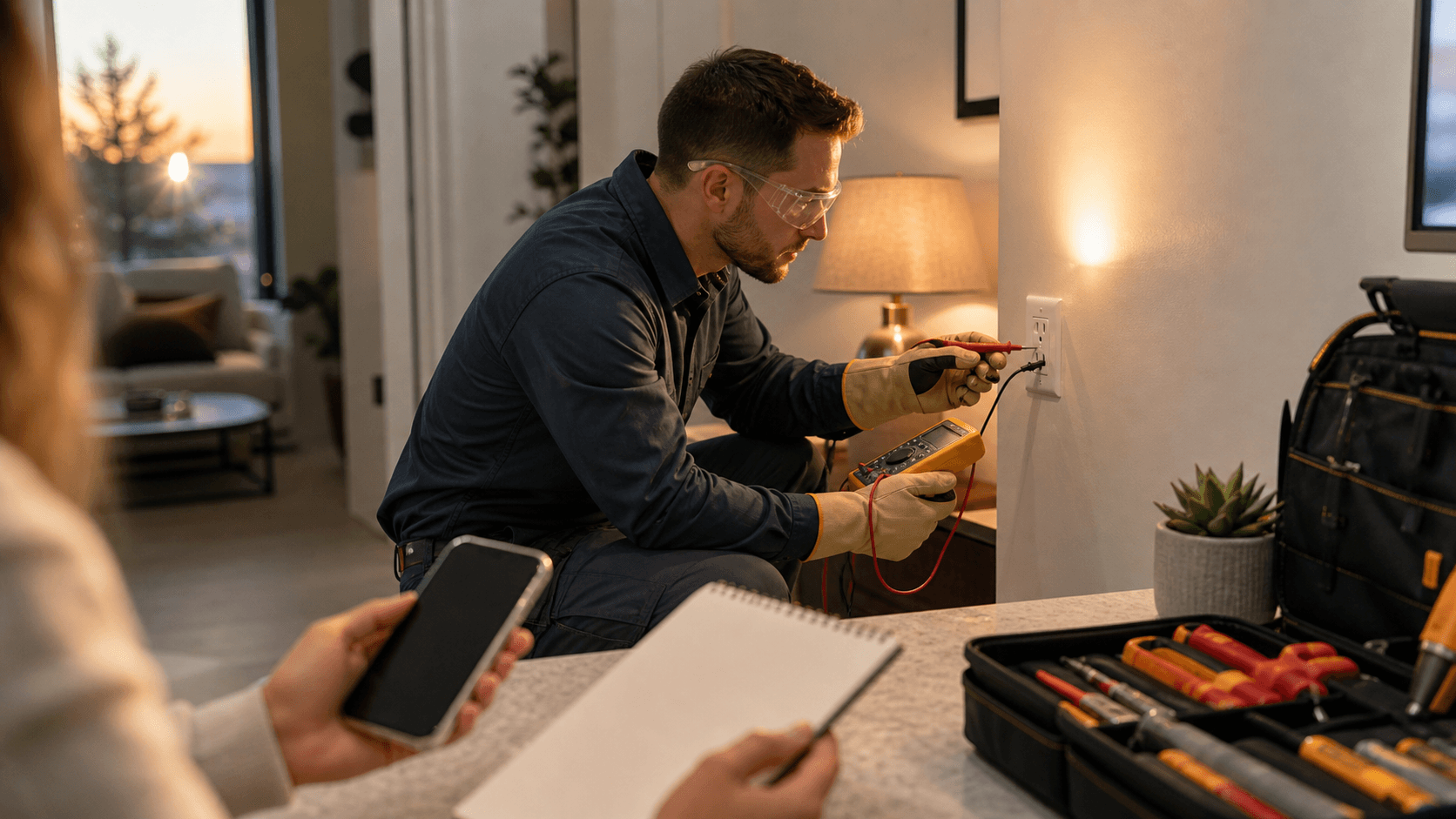
If your electrical problem comes and goes, the best way to help your electrician fix it faster is to keep a simple fault log with dates, locations, what was running, and exactly what happened. Careful notes, plus photos of affected areas and your panel, can turn a vague intermittent issue into clear information your TSBC-licensed electrician can safely diagnose. This article is for homeowners, tenants, strata councils, property managers, and small business owners in Vancouver and the Lower Mainland. Intermittent electrical faults are some of the hardest problems for any electrician to solve. If an issue comes and goes, it may not show up during the visit, which can mean extra time, extra trips, and more frustration for everyone. A simple checklist changes that. When Vancouver homeowners, tenants, strata councils, and small business owners write down what they see and when it happens, it becomes much easier for a TSBC-licensed electrician to trace the fault and fix it safely. Mid-summer, with more AC units, portable fans, EV chargers, and outdoor gear plugged in, those random trips and flickers tend to show up more often, so good notes matter even more. We are Sunset Electric LTD, a TSBC-licensed contractor (LIC-0003001), fully insured with $5M liability coverage, BBB A-rated, a BC Hydro Power Smart member, with over 20 years of residential and commercial experience across Vancouver and the Lower Mainland, and a 5.0 Google rating. This guide explains what to watch for, how to document it, and how to share it so your electrician can get to the root of the problem faster. Know When an Intermittent Problem Is an Emergency Some issues can wait for a regular service call, while others need 24-hour emergency help. Sorting them into the right bucket keeps people safe and reduces stress. For homeowners and tenants, focus on personal safety and signs of overheating. For strata councils, property managers, and business owners, also think about common areas and occupant safety in hallways, parkades, and workspaces. Emergency issues, where you should stop using the affected circuit and arrange urgent help, include: • Burning smell from outlets, switches, light fixtures, or the electrical panel • Outlets, cords, or the panel cover that feel hot, not just warm • Visible arcing or sparking when you plug in or turn something on • Breakers that trip repeatedly and are getting worse over hours or days • Sudden loss of power to part of the home, such as only some rooms or only half the lights • Any water leak, flood, or heavy condensation around electrical equipment Urgent but not 911-level issues are those that keep coming back, like a breaker that trips once a day when office equipment is running, or lights that flicker often in one part of the suite. Routine issues, which can usually wait for a normal booking, include: • Occasional light flicker with no smell, heat, or sound • One outlet that works on and off but does not spark or feel hot • A light that sometimes fails to turn on, but with no burning odour Across Vancouver and the rest of BC, work on electrical panels and permanent wiring must be done by a licensed electrician under permit and TSBC inspection where required. DIY should stop at safe observation, unplugging suspect devices, and simple circuit labelling, not opening panels or devices. Build a Simple Fault Log Before You Call Good electrical troubleshooting in Vancouver often starts before we walk in the door. Your notes about what actually happens, and when, can cut diagnosis time and help avoid repeat visits. Use a notebook, notes app, or shared spreadsheet. For each incident, write: • Date and time • Room or area, such as kitchen counter by sink, front bedroom, or back patio • What was turned on at the time, for example AC, space heater, portable fan, EV charger, microwave, hair dryer, copier, or server • What exactly happened, like flicker, full power loss, breaker trip, buzzing, or tripped GFCI • How long it lasted and what fixed it, such as reset breaker, unplugged device, or it stopped on its own Watch for patterns: • Only during heat waves when AC or fans run all day • When space heaters or dehumidifiers are on • During heavy rain, wind, or coastal storms • Only when certain power bars, extension cords, or specific outlets are used If you can see the electrical panel safely, note: • Breaker number or position • Whether it is labelled GFCI, AFCI, or both • Any wording on the panel label • Whether resetting the breaker restored power, and for how long Photos help too. Take clear, well-lit pictures of: • The outlet, switch, or light that is acting up • The electrical panel with door open to show breaker positions • Any visible damage such as discolouration, corrosion, loose covers, or cracked plates Do not remove covers, do not open the panel beyond the main door, and do not touch any metal parts. Document What You See, Hear, and Smell Safely You can support safe troubleshooting by using your senses without getting hands-on with the wiring. For sight, note: • Flickering, dimming, or sudden brightness changes • Digital clocks, routers, or electronics that reset or lose power • LED lights that glow faintly even when switched off • Outdoor lights or outlets that act up after rain or irrigation For sound, listen for: • Buzzing, humming, sizzling, or sharp clicking at outlets, switches, fixtures, or the panel • Noises that only start when a dishwasher, dryer, furnace, or AC unit kicks in For smell and touch, be very cautious. If you notice hot plastic, burning, or a sharp metallic smell, back away and treat it as urgent. If something feels more than slightly warm, do not keep your hand there, do not try to tighten or remove anything, just note it. A few simple tests are usually safe: • Try a different device in the same outlet to see if the fault stays • Move the suspect device to another room or circuit and see if the problem follows • Check if only one receptacle is dead or the whole room is out For strata and commercial buildings, it helps to give staff or residents a short paper form or online form to log: • Date and time • Location • What they saw, heard, or smelled • What equipment was running That way, your electrician gets one clear picture instead of scattered stories. Share the Right Details and Keep Good Records When you are ready to speak with a licensed electrician, having a few key details in front of you makes the first call or email much smoother. Helpful information includes: • Property type, such as detached house, condo unit, strata common area, or commercial unit • Approximate age of the building • Any known electrical work, such as panel upgrades or added circuits • Recent renovations or new loads, such as a heat pump, EV charger, hot tub, AC, or office equipment Sending photos of the panel labels, main panel and any subpanels, affected fixtures, and visible damage lets the electrician plan tools, parts, and time. A qualified contractor that is TSBC licensed, insured, BBB A-rated, with strong reviews and BC Hydro Power Smart experience will still need to test on site, but those photos guide the first visit. Good documentation can shorten diagnostic time, reduce guesswork, and make written estimates and timelines more accurate. It also pays off over the long term. For homes, keep a small binder or digital folder with: • Panel photos and any updated labels • Your fault log • Service invoices and notes • Any permits and inspection reports you receive For strata and businesses, keeping an electrical log for each unit or floor helps track: • Dates of issues • What the electrician found • Any changes to panels, loads, or equipment Over time, this can reveal overloaded circuits, aging wiring, or moisture problems that often show up with the damp coastal climate. Seasonal checks work well too, such as: • Looking over exterior outlets and lighting before heavy patio or garden use • Talking with a licensed electrician before adding more cooling or EV load to older panels Not every property needs yearly inspections, but older homes, mixed-use buildings, or sites with frequent small faults often benefit from planned, permitted, TSBC inspected work instead of waiting for the next outage. If you are dealing with intermittent electrical issues in your home, strata property, or business in Vancouver or the Lower Mainland, Sunset Electric can help you troubleshoot them safely and efficiently. Call us at (778) 951-0607 or request a free quote. FAQWhat Counts as an "Intermittent" Electrical Fault in a Home? An intermittent fault is a problem that comes and goes, such as a light that flickers sometimes, a breaker that trips only on certain days, or an outlet that works off and on, often with no clear pattern at first. Should I Flip Breakers On and Off to Test an Issue Myself? You can safely reset a tripped breaker once, but you should not keep flipping breakers on and off to test, and you should never remove the panel cover or touch internal parts, because that work must be done by a licensed electrician. How Can I Tell If My Issue Is with BC Hydro or Inside My Home? If your neighbours also lose power, or many homes on the street go dark, it is likely a utility issue, but if only parts of your home lose power, or only some circuits trip, the problem is usually inside the property and should be checked by a licensed electrician. How Much Detail Does My Electrician Really Need Before the Visit? Even a few clear notes on where the issue happens, what was running at the time, how often it occurs, and any breaker information can make troubleshooting faster and more accurate. Can a Licensed Electrician Always Find a Fault Not Showing Up? Some intermittent faults can hide during a single visit, but a good fault log, photos, and careful testing often reveal clues in the wiring, devices, or circuits, even when the fault is not active at that moment.
Get Started With Your Project Today
If you are dealing with flickering lights, tripping breakers, or outlets that are not working properly, we are ready to help you find the cause and fix it safely. Learn more about our electrical troubleshooting in Vancouver to see how Sunset Electric LTD can get your system back on track. For quick questions or to book a visit, simply contact us and we will follow up promptly.