Not every home needs a panel upgrade before adding a Level 2 EV charger. Before you buy equipment, we recommend assessing your electrical panel, service capacity, and the way your household uses power. That review tells us whether your home can support the charger as planned or whether another option makes more sense.
For EV charger installation in Vancouver, this matters because many homes have older 100-amp services, electric heat, heat pumps, hot tubs, suites, or other large loads. Fall is a practical time to plan ahead for winter driving and added holiday electrical use, without assuming cold weather automatically means you need an upgrade. With more than 20 years of experience, Sunset Electric Ltd explains the available options without pushing unnecessary work. We are TSBC licensed, LIC-0003001, carry $5 million in insurance, and are a BC Hydro Power Smart member.
How to Tell Whether Your Panel Has Enough Capacity
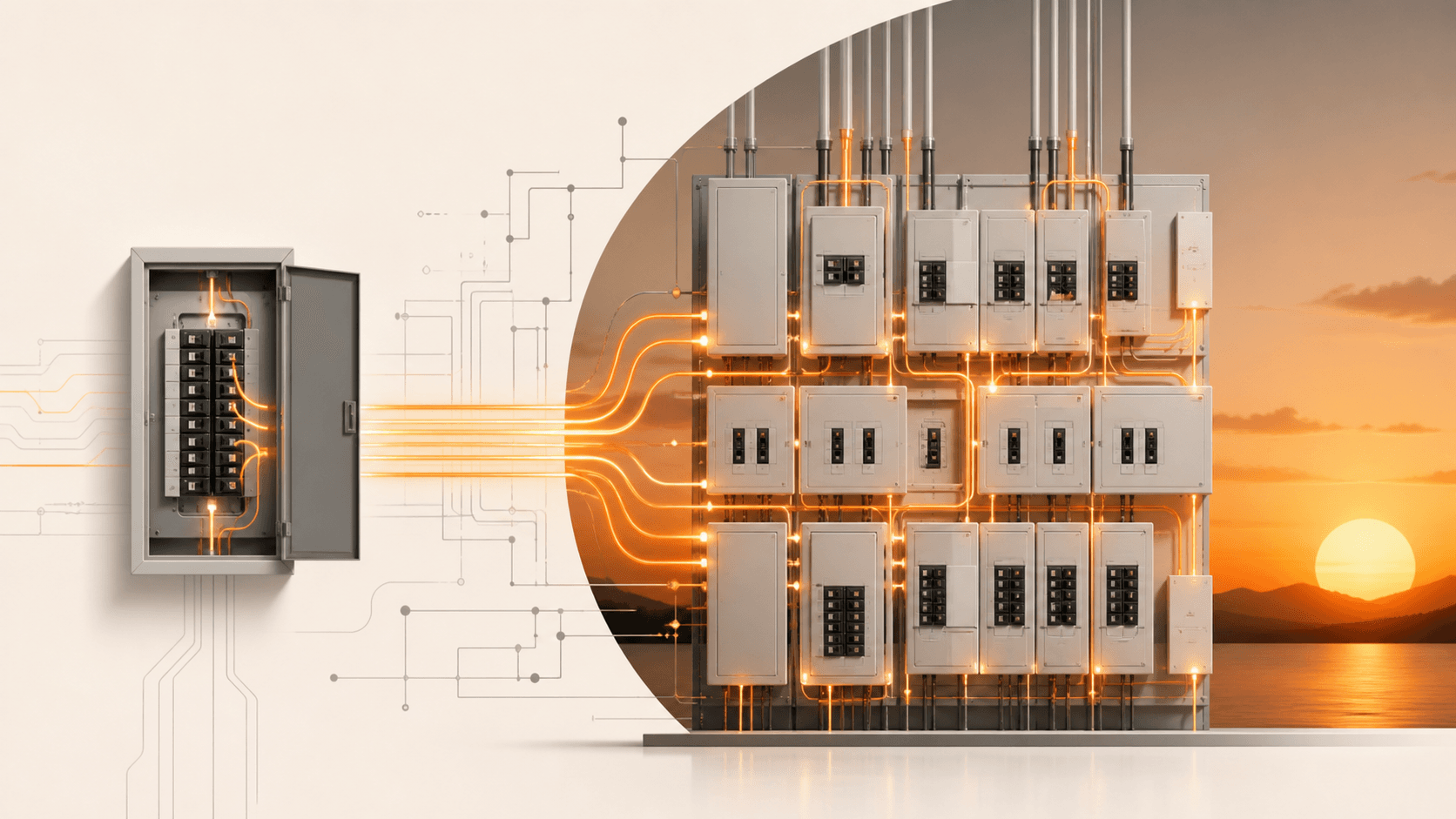
A panel's amp rating is only part of the picture. A 100-amp or 200-amp panel may have room for another breaker, but that does not automatically mean it has enough available capacity for a Level 2 charger.
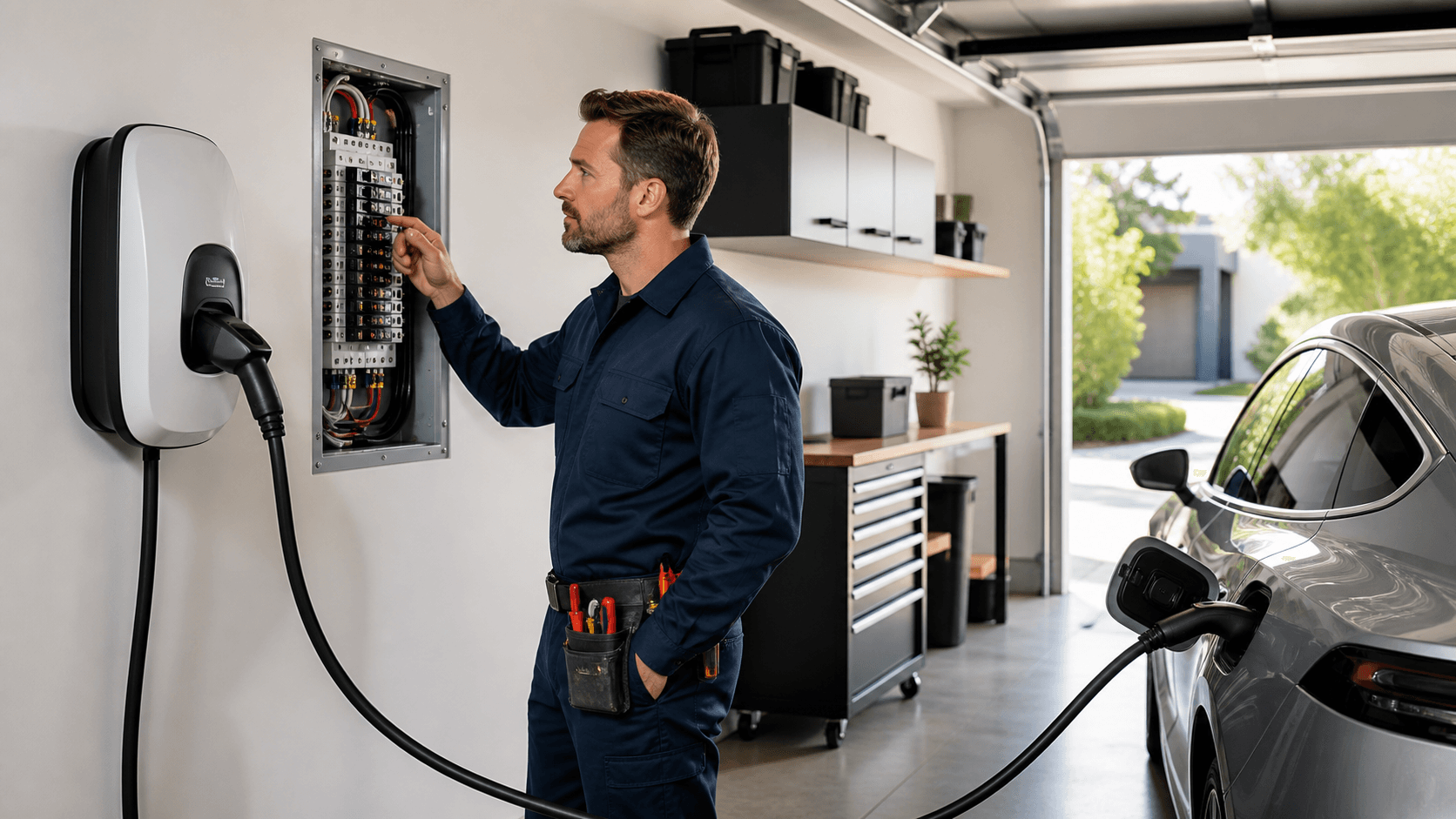
During an assessment, we review the main breaker, panel condition, service size, breaker layout, and the major equipment already drawing power in your home. That may include electric baseboards, heat pumps, ranges, dryers, hot tubs, workshop equipment, and secondary suites.
Before we visit, it helps to have:
- A clear photo of the panel label and breaker layout
- A list of major electric appliances and heating equipment
- Your preferred parking and charger location
- Your EV make and model, or the charger specifications
An empty breaker space does not confirm that the panel has enough available capacity for a charger. We complete a load calculation before recommending a charger size, energy-management equipment, subpanel, or panel upgrade.
When a Panel Upgrade Is the Practical Choice
Sometimes an upgrade is the sensible path. We may recommend one when the home does not have enough calculated capacity, the panel is outdated or damaged, or the breaker layout cannot support a suitable new circuit.
Future plans also matter. If you are thinking about a heat pump, induction range, suite, renovation, solar equipment, or a second EV in the future, it may be worth considering the electrical needs together rather than making separate changes later.
A full panel does not always mean a full service upgrade is required. Depending on the assessment, we may discuss options such as:
- A lower-amperage charger
- EV energy-management equipment
- A subpanel
- Overnight charging schedules
- A panel replacement without increasing the incoming service
For homeowners considering an EV charger installation or a panel upgrade in Vancouver, the right recommendation should be based on your home's real electrical load and your long-term plans. A service upgrade is different from replacing a panel, since increasing incoming service can involve BC Hydro coordination and additional planning.
Permits, Inspections, and Rebate Planning
A typical project starts with a site assessment and load calculation. From there, we select the charger circuit, plan the wiring route, arrange permits where required, complete the installation, and review the charger controls with you once the work is finished.
Permitted electrical work is TSBC-inspected where required. This helps document the installation and confirms the project has been completed through the proper process. The scope can change depending on the distance from the panel to the parking area, finished walls or ceilings, outdoor equipment placement, trenching needs, and whether panel or service work is involved.
Condo owners and strata managers may need approval before work begins, especially if a charger connects to common property or shared electrical infrastructure. Strata and commercial EV charging projects also need a separate review of common electrical systems, approvals, and building load requirements.
Rebate programs can change by utility, location, building type, and available funding. We can help provide the technical details often needed for an application, including charger specifications, electrical scope, invoices, load information, and permit documentation. BC Hydro program requirements and rebate amounts should always be confirmed before equipment is purchased or work begins.
When choosing a contractor, credentials matter. We are TSBC licensed, $5 million insured, BBB A-rated, and supported by a 5.0 Google rating. Those details can help you compare qualified electrical contractors for work in your home.
Start with a Site Assessment, Not a Guess
The decision is usually straightforward once the home has been assessed. Choose where you want to park and charge, review your available electrical capacity, compare the suitable options, confirm permit and rebate details, and then plan the installation.
A panel upgrade can be necessary, but it should follow a proper review of the panel, service, and actual household demand. Starting with the assessment helps prevent buying a charger that does not fit your home's electrical setup or future plans.
Get Clear Answers Before You Install
Sunset Electric LTD can assess your existing electrical service and help you plan EV charger installation in Vancouver that suits your home and charging needs. We will explain whether your panel has available capacity or if an upgrade should be considered before installation. For a straightforward assessment, contact us to discuss your project. Call (778) 951-0607 or request a free quote.
Common Questions About EV Charger Panel Upgrades
Do I Always Need A 200-Amp Panel For A Home EV Charger?
No. Some homes can support a Level 2 charger with an existing 100-amp or 200-amp panel. The answer depends on the calculated electrical load, panel condition, and other major equipment in the home.
Can I Install An EV Charger If My Panel Has An Empty Breaker Space?
An empty breaker space does not confirm that the panel has enough available capacity. We recommend a professional panel assessment and load calculation before installing a charger.
What Happens If My Home Does Not Have Enough Electrical Capacity?
Depending on the assessment, we may recommend a panel upgrade, service upgrade, lower-amperage charger, energy-management equipment, subpanel, or another suitable solution.
Does An EV Charger Installation Require A Permit In BC?
Permit requirements depend on the project scope and location. We can advise on the requirements for your installation and complete permitted work that is TSBC-inspected where required.
Can An Electrician Help With BC Hydro EV Charger Rebates?
We can provide technical information, equipment details, invoices, and other documentation that may be needed for an application. Eligibility and current program requirements should be confirmed before purchasing equipment or starting work.