Panel Capacity Comes Before Charger Selection
Not every Level 2 EV charger needs a panel upgrade, but we must assess your existing electrical capacity before installation. A 60A, 100A, or 200A panel label alone does not tell us whether your home can safely support EV charging.
Across Vancouver, we often see older electrical systems installed long before EVs, heat pumps, induction ranges, and other high-demand equipment became common. With more than 20 years of local experience, our TSBC-licensed team, Licence LIC-0003001, explains the practical options without pushing an upgrade you may not need. We are insured for five million dollars, BBB A-rated, a BC Hydro Power Smart member, and maintain a 5.0 Google rating.
Electrical Panel Upgrade in Vancouver Starts with Capacity
The number on your panel refers to the maximum size of the electrical service, not automatically the power you have left for a charger. A 60A service is common in older homes and may have limited room for Level 2 charging when electric heat, hot water, laundry, or cooking are already part of the household load.
A 100A panel may support a charger in some homes, depending on existing demand and the charger's planned output. A 200A panel usually gives us more flexibility, but it still needs a proper review. Heavy electrical loads, ageing service equipment, and future renovation plans can all affect the answer.
We also separate breaker space from electrical capacity. An open breaker position does not mean there is enough available power for a new EV circuit. On the other hand, a full panel may be able to use a permitted subpanel or another suitable solution instead of a full electrical panel upgrade in Vancouver.
A Load Calculation Shows What Your Home Can Handle
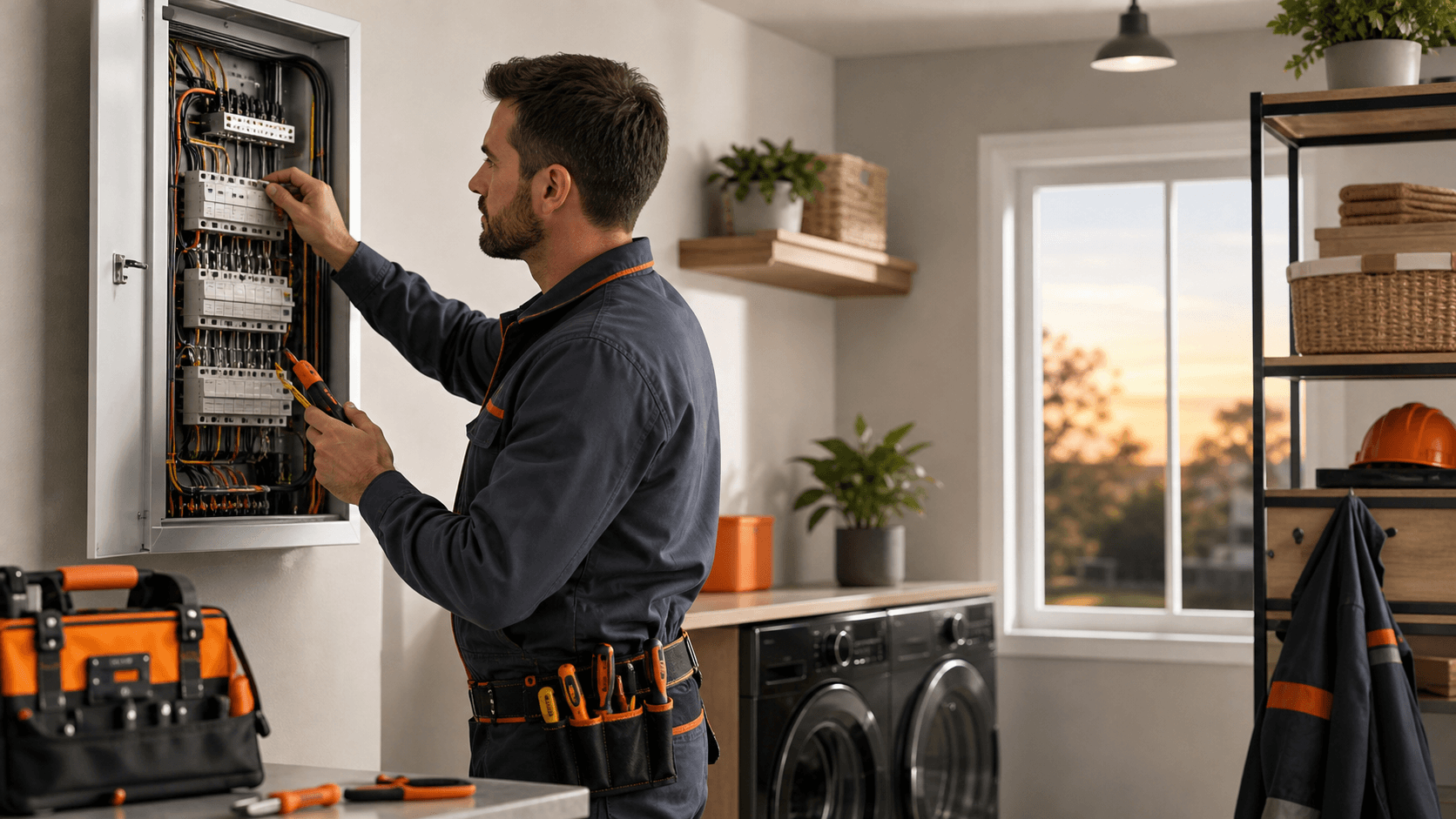
A load calculation helps us determine whether your electrical service can support EV charging alongside normal household use. It is more reliable than adding up breaker sizes because household circuits do not all run at their maximum load at the same time.
During an assessment, we review the full system, including:
- Your service rating, panel condition, and available breaker space
- Electric heat, heat pumps, hot water, ranges, dryers, and air conditioning
- Hot tubs, workshop equipment, suites, and other major loads
- The planned charger output and future electrical plans
Future needs matter. If you are considering a renovation, a second EV, electric heating, or an added suite, we factor that into the recommendation so the installation still makes sense later.
For strata councils, property managers, and commercial owners, the review can be broader. A parking stall may need access to common electrical infrastructure, while multiple chargers can affect building service capacity and tenant loads. We assess whether a standard installation, load-managed charging, a subpanel, or a service upgrade is the right fit.
Permits and Inspections Keep Work Accountable
EV charger work must be permitted and inspected through the authority responsible for the property. In much of British Columbia, Technical Safety BC handles electrical permits and inspections. Some municipalities have their own electrical permitting authority, so we confirm the correct process before work begins.
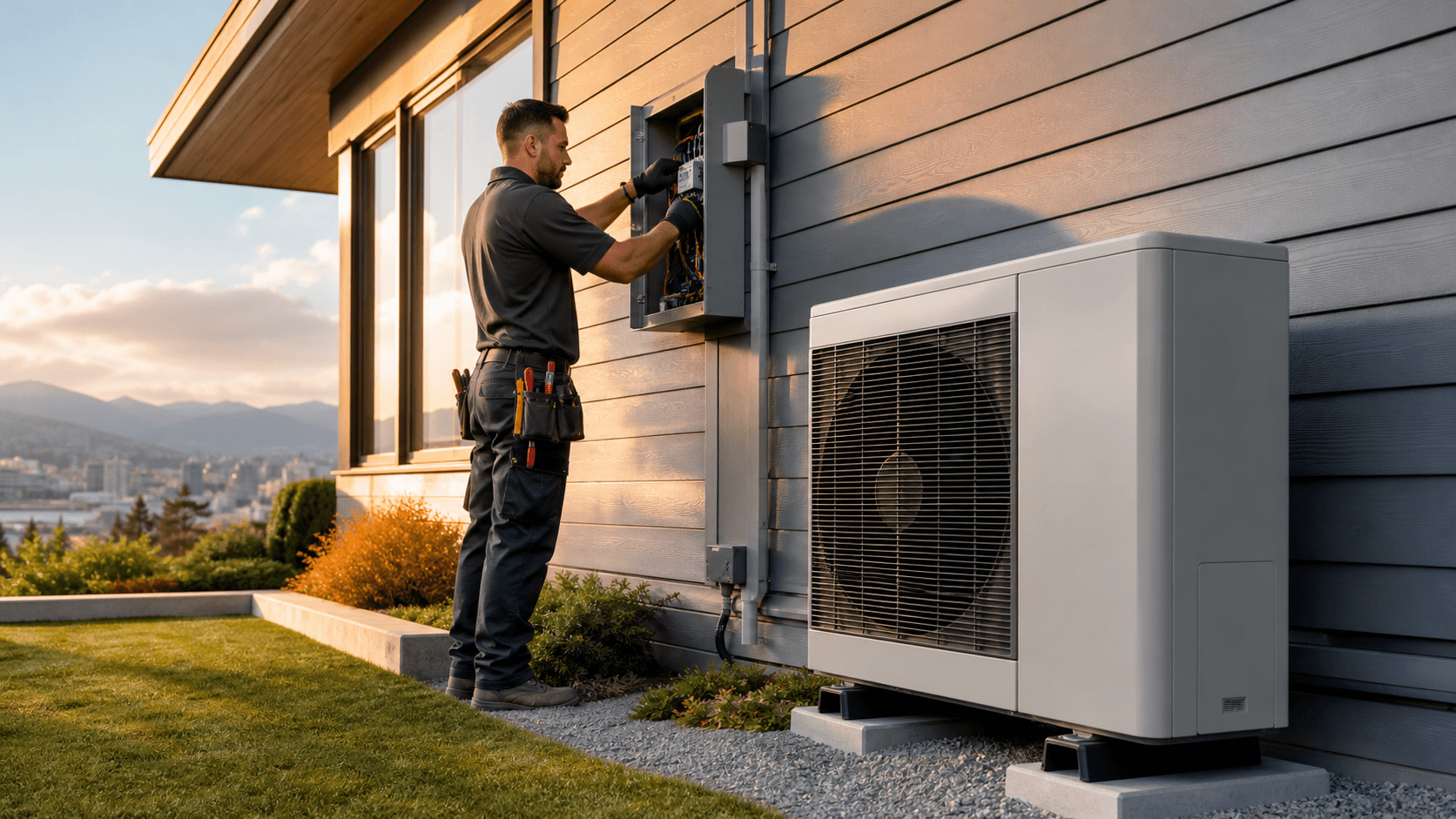
BC Hydro may also be involved when a project affects the utility-side service, meter equipment, or service capacity. That does not apply to every charger installation, but it can be part of a larger panel or service upgrade.
The usual process includes:
- A site assessment and load calculation
- An installation plan and quote
- Permit application before electrical work begins
- Inspection and BC Hydro coordination when service changes are needed
Permitted, TSBC-inspected work gives you a documented installation record. That can be helpful for future sales, insurance questions, building records, and strata files.
When a Panel Upgrade Makes Practical Sense
An upgrade may be the practical choice when we find limited service capacity or equipment that is no longer suitable for added demand. Common signs include a 60A service, frequent breaker trips, an outdated panel, limited room for a dedicated circuit, or plans to electrify heating and hot water.
A full upgrade is not always necessary. If your home has enough capacity, we may only need to install a dedicated EV circuit. In other cases, a lower-output charger, load management equipment, or a subpanel can be a sensible option.
For strata properties planning several chargers, we recommend looking beyond one parking stall at a time. A building-wide EV readiness plan can help councils understand available capacity, approval steps, and future charging needs before individual installations begin.
Before fall weather, holiday travel, and renovation schedules increase demand for electrical work, it helps to know what your property can support. The panel label is only the starting point. A qualified load calculation, equipment review, and permit plan determine whether Level 2 charging can be added safely without an upgrade.
Plan Your Panel Upgrade With Clear Guidance
For an electrical panel upgrade in Vancouver, our team can assess your existing service, explain the practical options, and complete permitted work with TSBC requirements in mind. Sunset Electric LTD brings more than 20 years of experience, $5M insurance, and a 5.0 Google rating to residential and commercial electrical projects across the Lower Mainland. If you are planning an upgrade or have questions about your property, contact us for a quote within one business day.
Common EV Charger Questions
Does A 100A Panel Always Need To Be Upgraded For A Level 2 EV Charger?
No. Some 100A panels can support a Level 2 charger, while others cannot. We need to review the load calculation, panel condition, service equipment, and your household's existing electrical demand.
Can A 60A Panel Support An EV Charger?
It may be possible in limited situations, but many 60A services have little available capacity for Level 2 charging alongside modern household loads. A professional assessment is the dependable way to determine the options.
Is A 200A Panel Enough For A Level 2 Charger?
Often, but not automatically. We still review major electrical loads, breaker space, charger output, and future plans such as a heat pump, renovation, or second EV.
Do I Need A Permit To Install An EV Charger In Metro Vancouver?
Yes. EV charger electrical work must be permitted and inspected through the applicable authority, which may be Technical Safety BC or a local municipal authority.
Will BC Hydro Need To Be Involved In A Panel Upgrade?
BC Hydro may need to be involved when work affects the utility-side service, meter equipment, or service capacity. The exact steps depend on the property and the scope of the electrical work.