Recognizing Emergency Electrical Problems in Metro Vancouver Homes
Electrical problems become emergencies when there is an immediate risk of fire, shock, or loss of power to critical systems. In Metro Vancouver's older homes, basement suites, and busy strata buildings, knowing when to call for help can protect your family, tenants, or business.
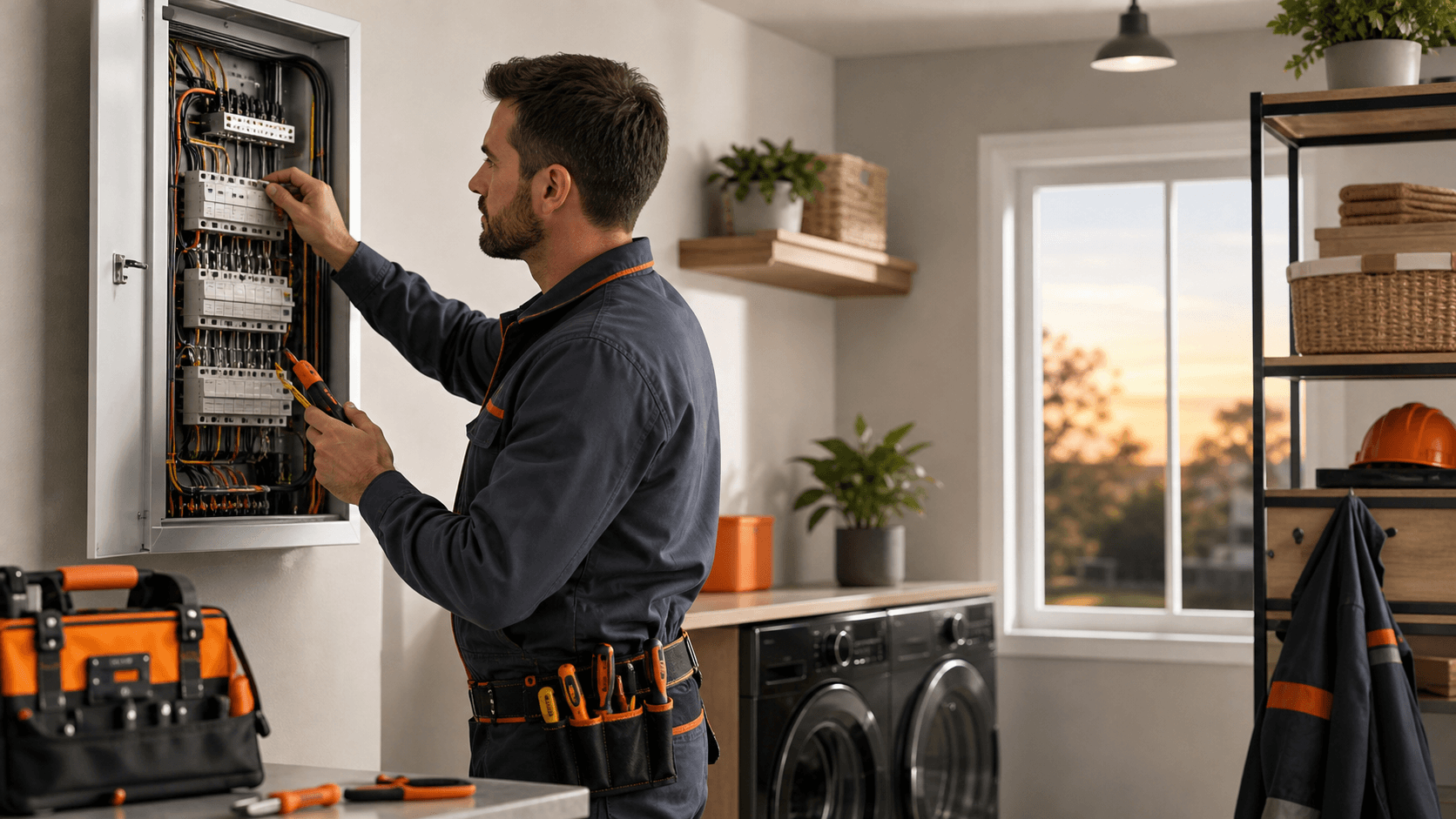
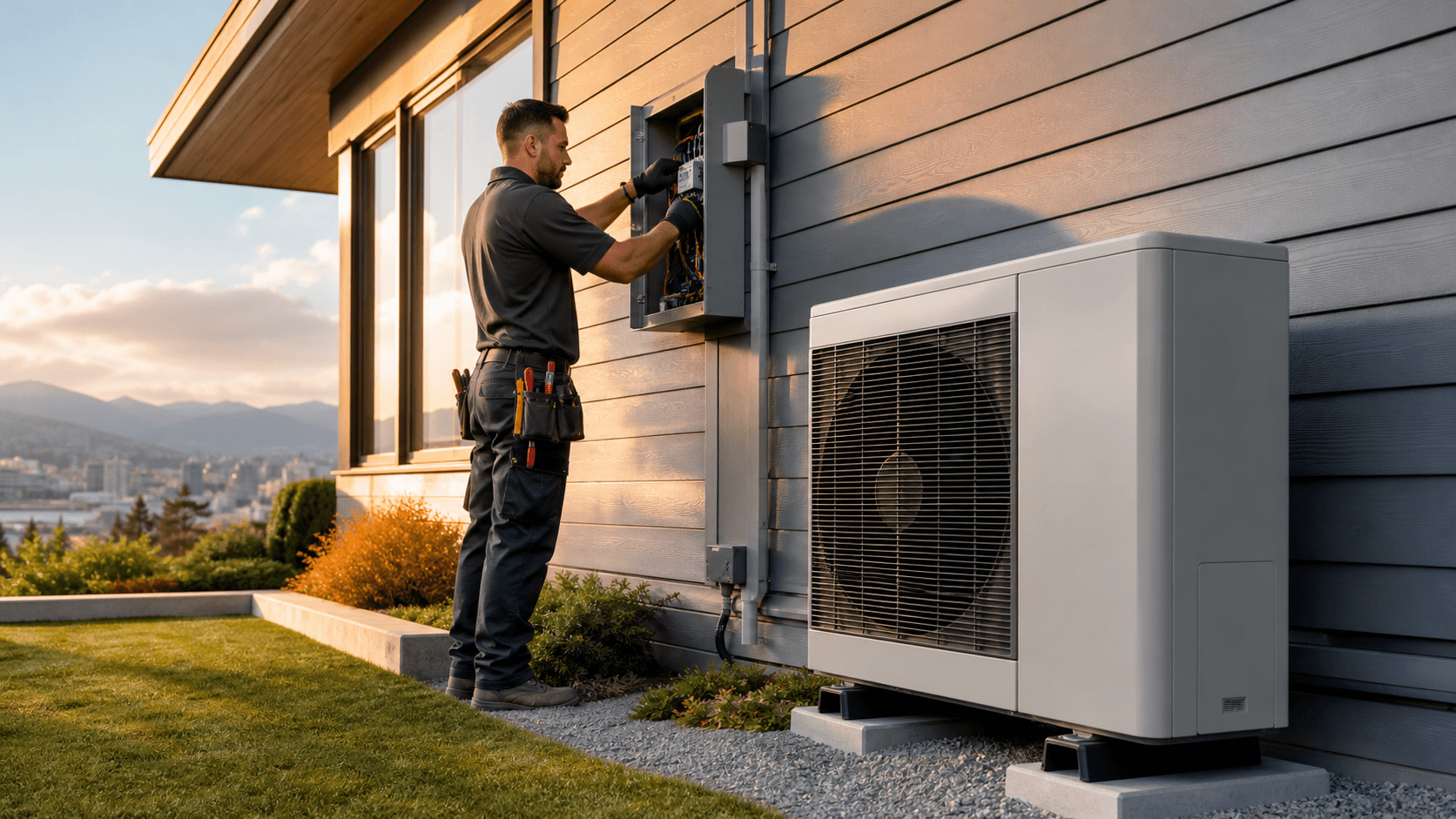
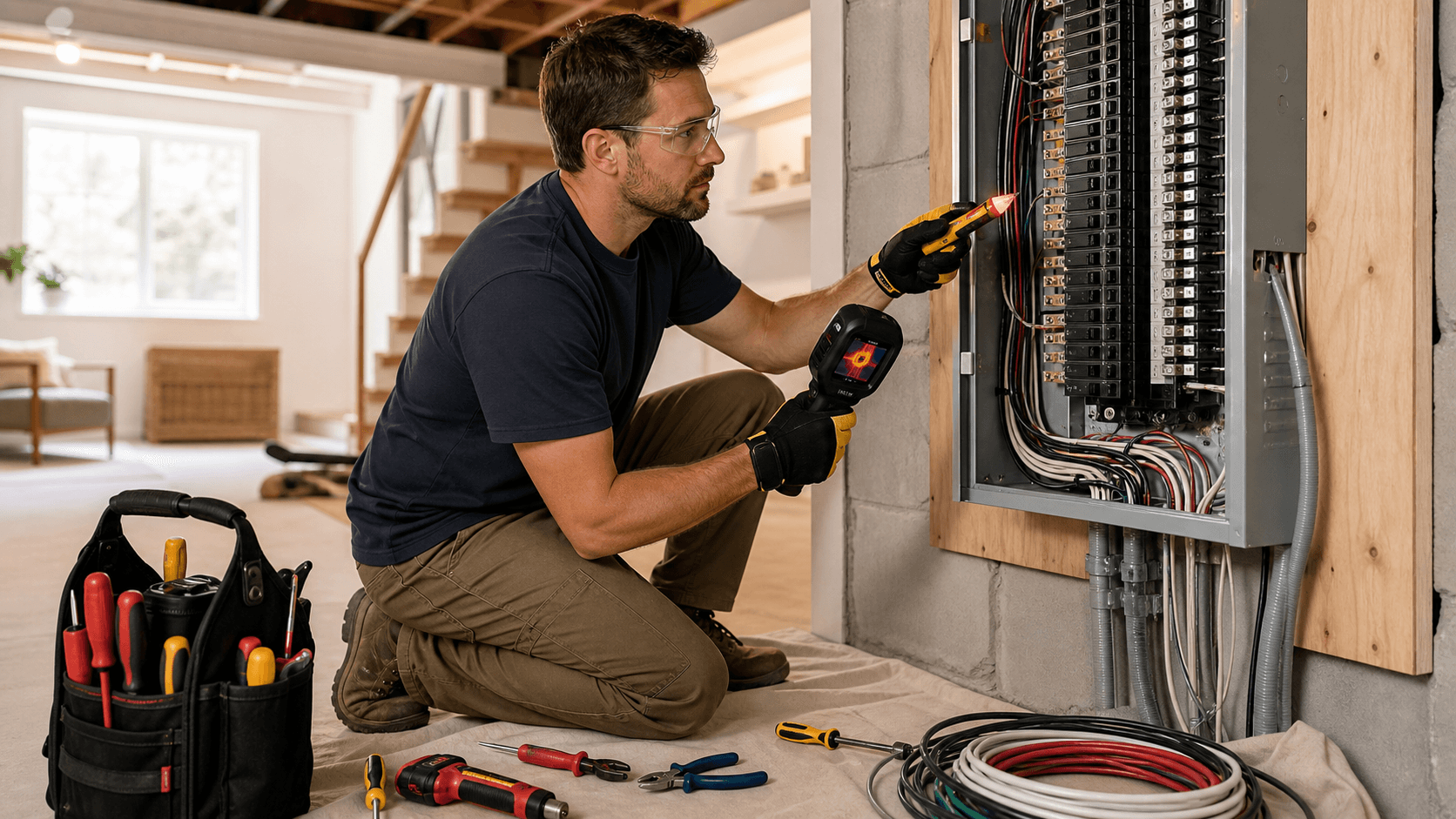
This article is written for homeowners and strata/commercial property managers in the Lower Mainland and Sea to Sky. It outlines key warning signs, when an issue is likely on your side versus BC Hydro's, and what you can safely do while you wait for a TSBC-licensed electrician.
As a TSBC-licensed contractor (LIC-0003001), $5M insured, BBB A-rated, BC Hydro Power Smart member with 20-plus years of local experience and a 5.0 Google rating, we provide 24-hour emergency electrical service across Metro Vancouver and surrounding communities.
When Electrical Issues Become Emergencies
An electrical problem becomes an emergency when there is an immediate risk of fire, electric shock, or loss of power to critical systems. In a home, strata unit, or commercial space, that usually means:
- You see sparks or arcing from outlets, switches, or the panel
- You smell burning, melting plastic, or a strange fishy odour near electrical equipment
- You feel shocks or tingling from metal surfaces, taps, or appliances
- You lose power to important systems like medical devices, sump pumps, or refrigeration
In many Metro Vancouver and Lower Mainland neighbourhoods, especially where the housing stock is older, wiring and panels may already be under stress. Waiting until morning or hoping the problem goes away can give heat and damage time to build behind walls or inside the panel. That is when a minor issue can turn into a fire.
A licensed emergency electrician can check the source of the fault, make the area safe, and carry out repairs under permit and TSBC inspection where required, so the problem is addressed properly and is less likely to return.
Common Warning Signs You Should Never Ignore
Some electrical symptoms show up slowly. Others appear all at once. Either way, there are a few that should never be brushed off.
Breakers that keep tripping or will not reset can point to:
- Overloaded circuits, for example, many heaters or AC units on the same line
- Failing breakers inside an aging panel
- Faulty appliances drawing too much current
- Hidden wiring issues, like damaged insulation or loose connections
This shifts from annoying to urgent if:
- The main breaker for the whole property trips
- You hear buzzing or crackling at the panel
- You see smoke or feel noticeable heat on the cover
Burning smells, smoke, or discoloured outlets are always a red flag. Watch for:
- A fishy, sharp, or plastic burning smell near outlets, switches, or light fixtures
- Yellowed, darkened, or cracked outlet covers
- Faceplates that feel hot, even with light loads
- Any sign of melted plastic or smoke staining
If it is safe to do so, the best first step is to switch off the affected breaker at the panel and keep water well away from the area. Do not remove covers or try DIY fixes.
Shocks, tingling, or flickering lights point to deeper problems. Mild shocks from appliances, taps, or other metal surfaces are not "just static." They often mean:
- A serious grounding issue
- Damaged or missing bonding between plumbing and electrical systems
- Faulty equipment leaking current
Flickering or dimming lights, especially when large appliances start, can be caused by:
- Loose connections at the panel or in junction boxes
- Overloaded circuits
- Problems with the incoming service, common in older homes and suites
Damp basements, garages, and laundry areas across the Lower Mainland increase the risk, since water makes shocks more dangerous.
When Power Outages Need More Than BC Hydro
Not every outage is a BC Hydro problem. Knowing the difference saves time and keeps you safer.
To tell a utility issue from a property issue, you can:
- Check if only your unit is out, or if hallways and common areas are dark too
- Ask neighbours if they have power
- Look at the BC Hydro outage information for your area
BC Hydro is normally responsible up to the meter. Past the meter, panels, breakers, and building wiring fall under the property owner and must be handled by a licensed contractor. If your neighbours have power, or only some parts of your home or building are out, an electrician should inspect the system.
Partial power and brownouts are easy to miss but can be serious. Signs include:
- Some circuits dead while others still work
- Lights running very dim or changing brightness
- Motors in fridges, fans, or pumps sounding weak or strained
Long periods of low voltage can damage:
- Fridges and freezers
- Sump pumps
- Servers and network gear
- HVAC equipment
In strata buildings and commercial spaces, these issues may show up during heavy snow, strong winds, or peak heating and cooling seasons. If only parts of a complex are affected or breakers are acting oddly, it is time for an emergency electrician to investigate.
Certain systems always move a problem into the emergency category:
- Medical equipment in a home
- Fire alarms, emergency lighting, and security systems
- Elevators in multi-storey buildings
- Commercial refrigeration and food storage
- Data rooms and network hubs that support many users
These systems tie directly into life safety and business continuity, and local bylaws expect owners and strata councils to keep them in good working order.
Summer Hazards Around Panels, EVs, and Renovations
Summer loads can quietly push older systems over the edge. Portable AC units, fans, dehumidifiers, outdoor kitchens, and extra freezers all pull power at the same time. Warning signs that your older 60A or 100A service might be under strain include:
- A panel cover that feels warm to the touch
- Breakers tripping when you run multiple appliances together
- Lights dimming when AC, dryers, or ovens kick on
If you see these patterns every summer, it may be time to look at a panel upgrade or adding circuits, not just resetting breakers. A licensed contractor can review your service size and typical loads and recommend options.
EV chargers bring their own needs. A safe setup usually means:
- A dedicated circuit correctly sized for the charger and vehicle
- Proper wiring protection in garages and parkades
- No use of extension cords or power bars for charging
Emergency red flags around EV charging are:
- Garage outlets that spark or crackle
- Cords or plugs that are hot or have melted spots
- Chargers that shut down with a burning smell or visible smoke
Renovations also increase risk, especially when temporary wiring is used. Common issues include:
- Multiple power bars daisy-chained together
- Extension cords running saws, compressors, and heaters long-term
- Unpermitted panel work or extra breakers tucked into crowded panels
- Bootlegged basement suites wired without permits or inspections
Many emergency calls trace back to old unpermitted work. Having any new work done under proper permits and TSBC inspections lowers the chance of surprises later.
What to Do Before Your Electrician Arrives
When something goes wrong, your main job is to keep people safe until a professional gets there.
If you can do so safely:
- Switch off the affected breaker or the main disconnect
- Keep children, pets, and curious adults away from the area
- Avoid touching metal surfaces, appliances, or pipes if you suspect a fault
- Stay out of standing water, especially near electrical equipment
Avoid opening live panels, removing outlet covers, or testing circuits with tools. Licensed electricians have training and protective gear designed for these conditions.
You can also help by documenting what is happening:
- Note when the problem started and what was running at the time
- Record if there were recent storms, leaks, or renovation work
- Take photos or short videos of flickering lights, tripping breakers, or affected equipment from a safe distance
For strata councils and businesses, it helps to:
- Log which units, floors, or tenants are affected
- Note impacts on operations, like downed servers or fridges, so repairs can be planned and phased if needed
Emergency Electrical FAQs for Metro Vancouver Homes and Strata/Commercial Buildings
Is This Really an Electrical Emergency, or Can It Wait?
Treat it as an emergency if you smell burning, see smoke or sparks, feel shocks or tingling from metal or water fixtures, or lose power to critical systems such as medical devices, sump pumps, elevators, fire alarms, or essential refrigeration.
Who Should I Call First, BC Hydro or an Electrician?
If you see downed lines outside, or if the whole neighbourhood is dark, start with BC Hydro. If only your home, unit, or parts of your building are affected, or if you notice issues at your panel or breakers, you should call a licensed emergency electrician.
Do I Need a Permit for Emergency Electrical Repairs?
Many repairs do require permits and follow-up inspections. A TSBC-licensed contractor can advise what is needed and arrange permits and TSBC inspections as part of the work.
Will My Insurance Cover Emergency Electrical Work?
Coverage depends on your policy and the cause of the damage. It is a good idea to speak with your insurer. Detailed invoices and clear photos from the electrician can help with any claim.
How Can I Reduce the Chances of Future Emergencies?
Regular electrical maintenance, panel inspections, and updating older wiring help a lot, especially in pre-1980 homes and heavily loaded strata or commercial buildings. Planning ahead for EV chargers, heat pumps, tenant improvements, and suite additions also reduces overload problems.
How Quickly Can You Respond to an Electrical Emergency?
We offer 24-hour emergency electrical service across Metro Vancouver, the Lower Mainland, and Sea to Sky, and we typically provide a quote within one business day for follow-up non-emergency work.
Get Started With Your Project Today
Whether you are dealing with an unexpected outage or planning upgrades, we are ready to help keep your home or business safe and powered. Learn more about how our emergency electrician in Vancouver services can support your electrical needs any time of day. At Sunset Electric LTD, we respond quickly, work cleanly, and explain every step so you feel confident in the work being done. For immediate assistance, call us at (778) 951-0607 or request a free quote today.