Your Panel May Be Ready for an EV Charger
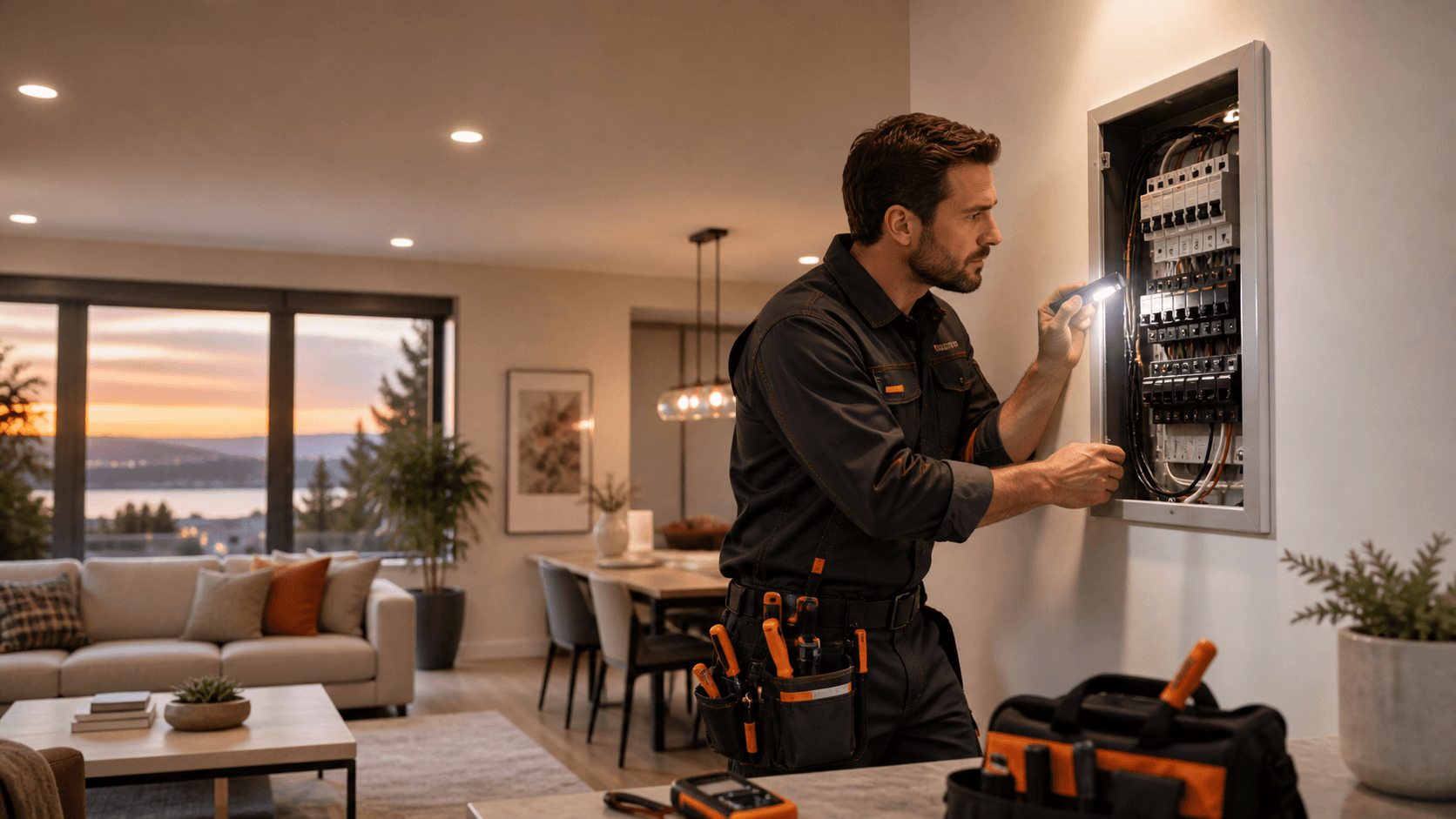
Many Vancouver homes can support a Level 2 EV charger, but the only reliable way to know is a professional load check of your electrical panel and household demand. EV charger installation in Vancouver may need only a dedicated circuit, or it may call for a panel upgrade, depending on available capacity, equipment condition, and your future electrical plans.
A 240-volt Level 2 charger is the usual choice for home charging, and it adds a steady electrical load to your home. A panel that looks full does not automatically need replacement. What matters is how much electrical capacity is available, not simply how many breaker spaces you can see.
We start with a practical assessment, not an online guess. As TSBC-licensed electricians under LIC-0003001, we review the actual equipment and explain the sensible options without pressure. Sunset Electric is insured for $5 million, has more than 20 years of experience, is a BC Hydro Power Smart member, BBB A-rated, and holds a 5.0 Google rating.
Signs Your Panel May Need an Upgrade
Some warning signs suggest your panel deserves a closer look before adding a charger:
- No open breaker spaces
- Breakers that trip regularly
- Lights that flicker when larger appliances start
- A crowded panel after renovations or added circuits
- An older fuse-based electrical system
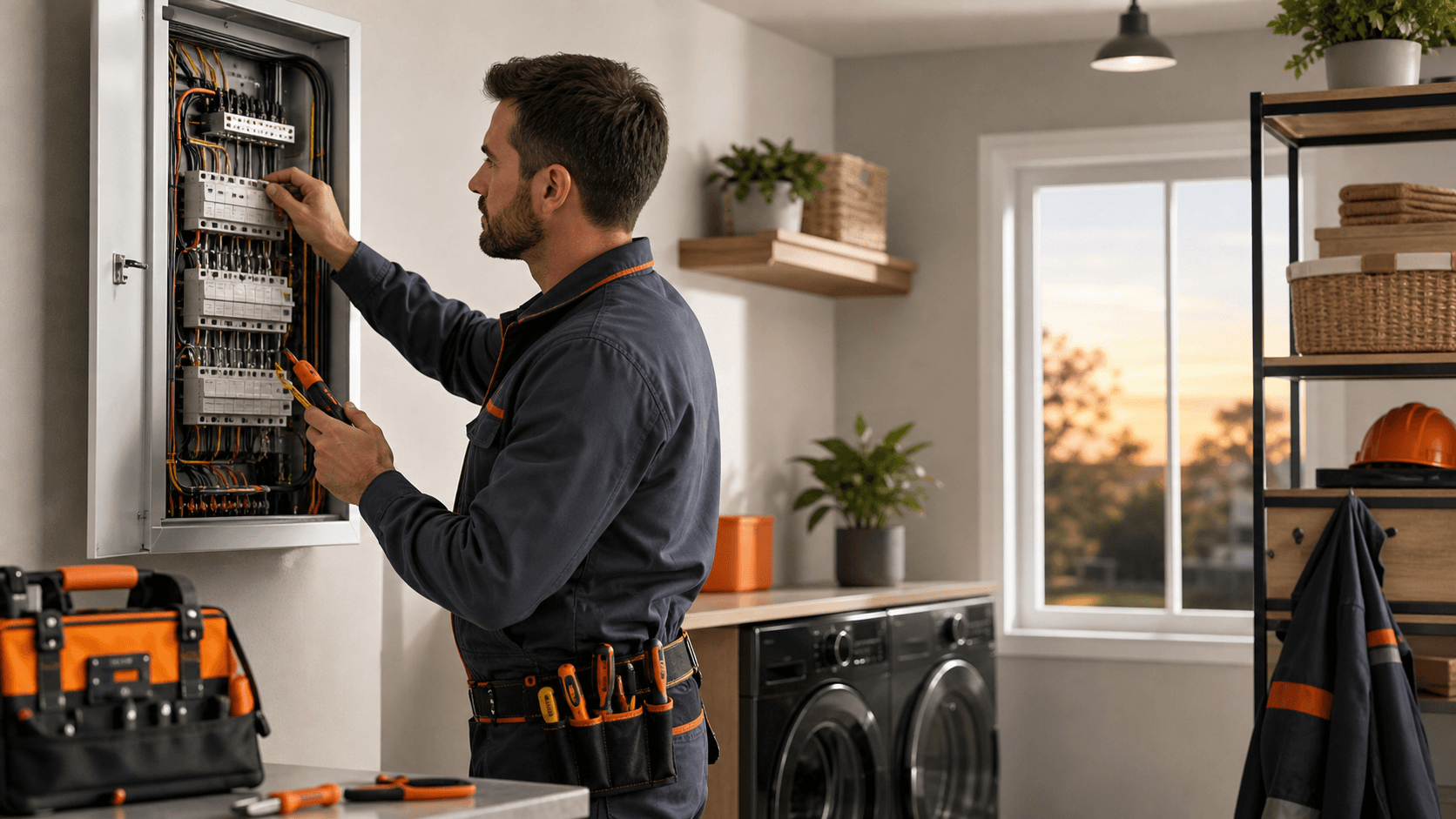
An older panel does not automatically rule out EV charging. Its condition, service size, breaker compatibility, and existing demand all need to be assessed first. We often find that a dedicated circuit, a subpanel, or load-management equipment makes more sense than replacing the whole panel.
Future plans matter, too. A heat pump, electric range, air conditioning, hot tub, secondary suite, or renovation can change your household load. When several electrification projects are planned, a panel upgrade may be worthwhile because it supports the full plan, not just one EV charger.
What a Load Check Looks at Before Installation
A load calculation is a plain-language review used to determine available capacity and installation options. We look at the size of your electrical service, your heating type, major appliances, existing circuits, and the expected charging load.
The charger itself is part of the calculation. Its maximum output, your vehicle's onboard charging ability, and how you use power at home all affect the installation approach. Common outcomes include:
- Enough capacity for a new dedicated EV circuit
- A charger set to a lower output
- Load-management equipment to help manage demand
- A panel or service upgrade for added capacity
Our review also covers the route from the panel to your parking area. Cable length, garage conditions, wall or pedestal mounting, and outdoor weather protection can affect the work. Electrical work may require permits and TSBC inspection, which helps avoid unpermitted work that could create concerns during a sale, insurance review, or renovation.
Permits and Property Requirements in Vancouver
Permit requirements and fees can vary depending on the scope of work and the local authority. Before installation begins, we confirm the applicable process and coordinate permitted, TSBC-inspected work where required.
For budgeting only, a straightforward Vancouver-area Level 2 installation with a short indoor run commonly falls around $1,200 to $2,500 before charger hardware. Longer runs, outdoor routing, trenching, or load-management equipment can place the electrical scope around $2,500 to $5,000 or more. These are non-binding planning estimates, not quotes. Permit-related charges for a straightforward EV circuit are often roughly $200 to $500 in the Vancouver area, depending on the authority and scope of work.
Strata owners may need approval before installing a private charger, especially if the project affects common electrical infrastructure, shared parkade capacity, visitor parking, or building equipment. Property managers and commercial decision-makers should also think beyond the first charger. A sound plan considers electrical demand, future expansion, metering, parking allocation, and ongoing maintenance.
BC Hydro EV charging rebate programs can change. As of 2026, eligible strata and workplace projects may receive up to $2,000 per Level 2 charger, generally capped at $14,000 per site. Homeowners, strata corporations, and businesses should verify current BC Hydro eligibility rules, program availability, and rebate details before relying on a program or making a purchase decision.
Questions to Ask Before You Request a Quote
A useful EV charger quote should reflect your property, not a one-size-fits-all estimate. Before accepting a recommendation, ask:
- Can you complete a load calculation before recommending a panel upgrade?
- Will permit and TSBC inspection requirements be confirmed?
- What charger output suits my vehicle, driving habits, and available capacity?
- Is the charger hardwired or plug-in, and where will it be mounted?
- Does the quote include the circuit, breaker, wire run, outdoor protection, repairs, trenching, and permit-related work?
It also helps to ask whether the plan leaves room for a future heat pump, suite, hot tub, renovation, or second EV. For strata and commercial properties, ask about phased expansion, equipment ownership, shared electrical capacity, and how charging use may be managed or billed.
The right first step is not automatically a panel upgrade. A site assessment and load check can show whether your property needs a dedicated circuit, a lower-output charger, load management, or broader electrical planning.
A thorough assessment helps match the installation approach to your property's current capacity and future electrical needs.
Get A Clear Plan For Your EV Charger
Sunset Electric LTD can assess your panel capacity and explain the work needed for safe, permitted EV charger installation in Vancouver. Our TSBC-licensed, $5M-insured team brings more than 20 years of experience and coordinates work to Technical Safety BC requirements. For a free quote, contact us or call 778 951-0607.
Frequently Asked Questions
Can My Existing Electrical Panel Support A Level 2 EV Charger?
It may be able to, but we recommend a licensed electrician complete a load check first. The review considers panel capacity, major appliances, heating, existing circuits, and the charger output you want.
Do I Always Need A Panel Upgrade For An EV Charger?
No. Some homes only need a properly sized dedicated circuit and breaker. An upgrade may make sense if your service lacks capacity, the panel is in poor condition, or future electrical plans will add demand.
Do I Need A Permit For EV Charger Installation In Vancouver?
Permit requirements depend on the work involved and the local authority. A TSBC-licensed contractor can confirm the applicable process and ensure work is permitted and TSBC-inspected where required.
Are BC Hydro EV Charger Rebates Available?
As of 2026, eligible BC Hydro strata and workplace projects may receive up to $2,000 per Level 2 charger, generally capped at $14,000 per site. Program availability and eligibility rules can change, so verify current details before purchasing equipment or relying on a rebate amount.
What Should I Ask Before Accepting An EV Charger Quote?
Ask whether the quote includes a load calculation, permit coordination, the charger circuit, wire routing, breaker, mounting, outdoor protection, and any panel work. You should also ask which site conditions could affect the final scope of work.