Keep Your Home Safe Through Vancouver's Rainy Season
Metro Vancouver's wet fall weather is a useful time to review outdoor electrical equipment, lighting, breakers, and older connections before winter heating demand begins. A practical fall electrical checklist in Vancouver can include visual checks of outdoor outlets and lighting, notes on changes in operation, and planning permitted work where needed.
From Vancouver and Burnaby to North Vancouver, Surrey, Squamish, and Whistler, autumn brings frequent rain, windstorms, and darker evenings. At Sunset Electric Ltd, we use this checklist to help homeowners, property managers, and businesses document concerns early. We are TSBC licensed (LIC-0003001), $5M insured, BBB A-rated, a BC Hydro Power Smart member, and bring more than 20 years of local experience and a 5.0 Google rating. Still, visual checks are not electrical repairs. Work should be completed through the appropriate permit process and in accordance with TSBC inspection requirements where required.
Check Outdoor Outlets and GFCIs Before Heavy Rain
Exterior outlets and equipment are exposed to coastal rain and wind-driven moisture on decks, garages, exterior walls, and strata common areas, particularly in older Lower Mainland properties.
Consider looking closely, without touching damaged equipment, for:
- Cracked outlet covers or loose fixtures
- Corroded metal parts or damaged conduit
- Exposed wiring or broken light fixtures
- Extension-cord connections sitting on wet ground
- Outdoor receptacles without suitable weather-resistant covers
Make a note of any outlet, cover, extension-cord connection, or fixture that appears damaged, wet, corroded, or incomplete. Patio heaters, landscape lighting, garage receptacles, and plug-in seasonal lighting may all need review before the wetter months.
GFCI outlets commonly have test and reset buttons. Rather than attempting repairs or opening electrical boxes, document outlets that do not appear to operate as expected, show discolouration, feel warm, or have visible damage. Any replacement or repair work can be completed through the appropriate permit process and TSBC inspection requirements where required.
Address Flickering Lights and Tripping Breakers Early
Flickering lights and tripping breakers are useful details to record, particularly when they occur repeatedly or affect more than one area of a property. Note when the change happens, which fixtures or circuits are involved, and what equipment was in use at the time.
Breakers can also provide helpful information when reviewing a property's electrical use. Keep track of:
- A breaker that will not reset
- Lights that dim when appliances start
- Buzzing from a panel, outlet, or switch
- Warm outlets, switches, or panel components
- Burning smells or discolouration
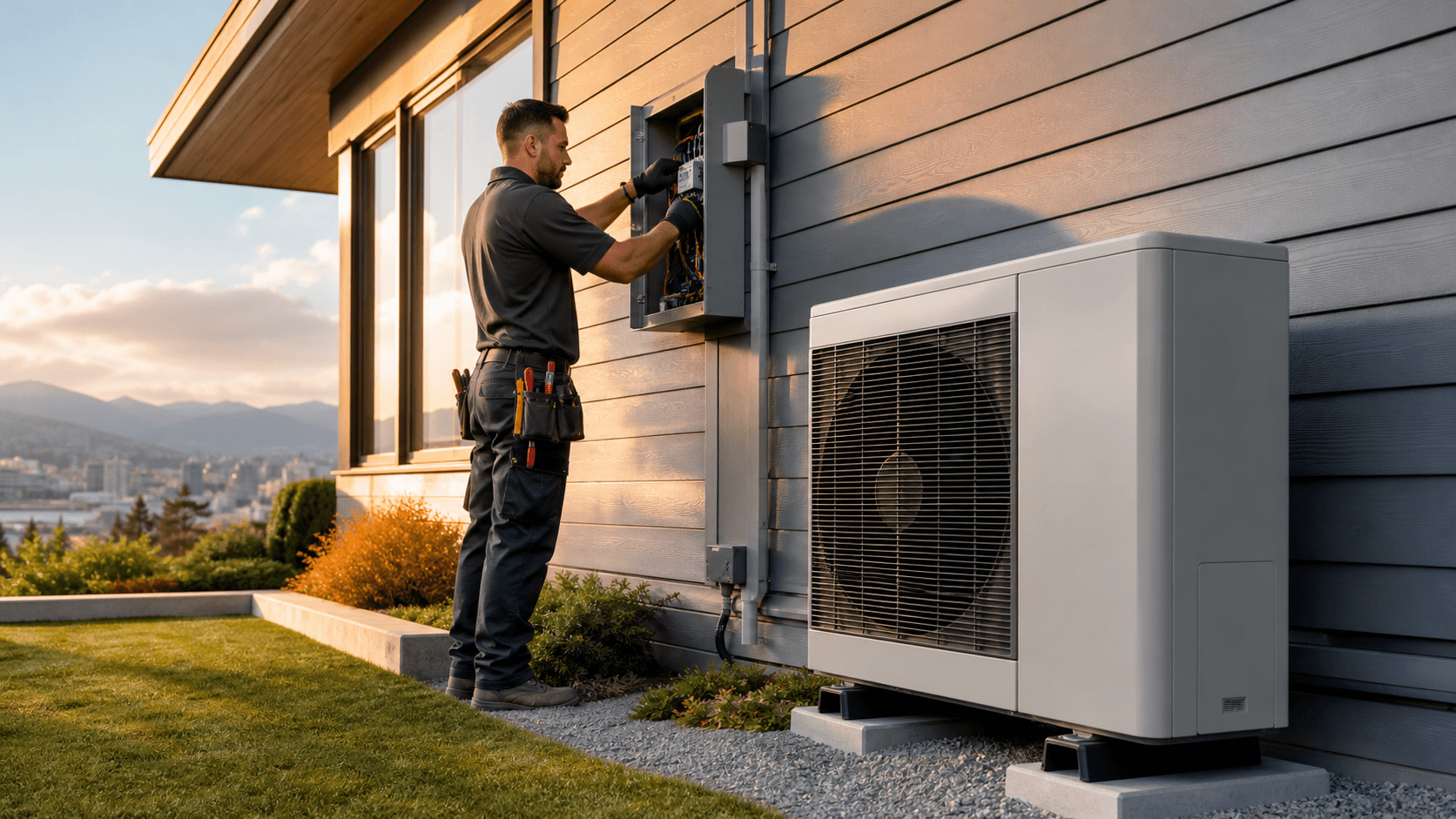
Fall heating demand can coincide with more frequent use of portable heaters, heat pumps, electric baseboard heating, heated floors, sump pumps, dehumidifiers, and kitchen appliances.
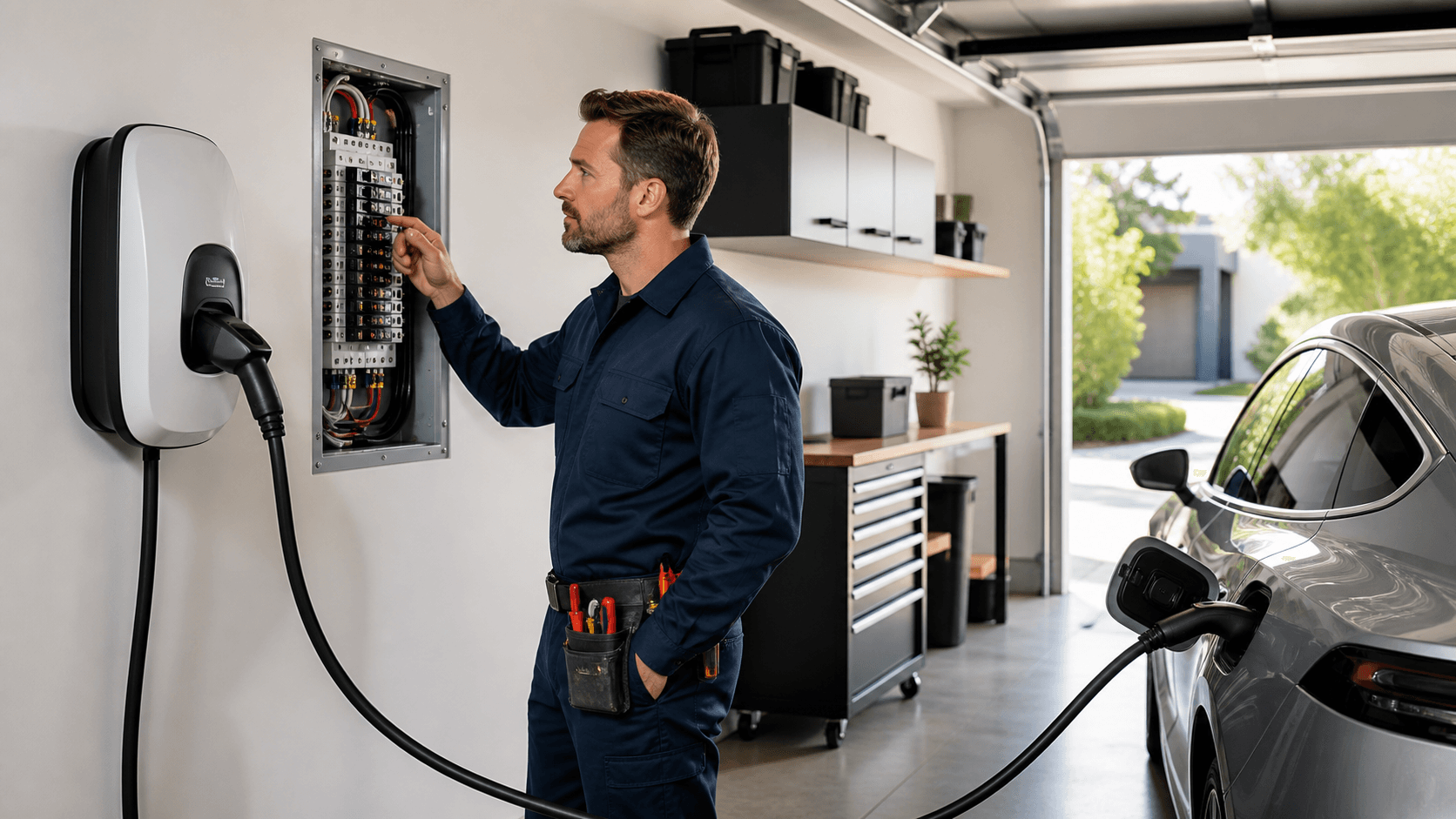
Older Vancouver-area homes may have original wiring or panels that were not planned around current needs such as home offices, induction cooking, EV charging, and electric heat. When work is being considered, permitted and TSBC-inspected electrical work can address the specific scope identified for the property.
Inspect Exterior Lighting and Seasonal Equipment Safely
Dark, rainy evenings make exterior lighting an important part of a seasonal property review. Entryways, walkways, driveways, stairwells, parkades, garbage areas, and backyards are common places to check.
During a visual review, note fixtures that flicker, collect water, have cracked lenses, show corrosion, or no longer turn on reliably. Record the fixture location and the conditions when the issue appears, such as during rain or after a windstorm.
Seasonal equipment can be included in the same review. Document damaged cords, overloaded power bars, or connections left on wet ground around leaf blowers, pressure washers, outdoor heaters, and plug-in lighting.
For strata and commercial properties, documenting common-area concerns before stormy weather arrives can support maintenance planning. Exterior lighting, underground parkade lights, entry intercom power, gate operators, and outdoor receptacles may be included in a property-wide review. If repairs, replacement equipment, or new circuits are planned, the work can be permitted and TSBC-inspected as required.
Know When a Licensed Electrician Is Needed
Some electrical concerns may require a planned review rather than a routine visual check. Fall storms can bring attention to exterior equipment, service connections, branch circuits, sump pump power, and older panels.
Arrange a discussion about permitted electrical work when you notice frequent breaker trips, persistent flickering, warm outlets or switches, buzzing panels, burning smells, water near electrical equipment, damaged service equipment, or partial power loss.
For utility-side outages, downed lines, or damaged utility equipment, keep clear and contact BC Hydro. Do not approach fallen wires, even if they appear inactive.
A qualified local electrician can review the information you have recorded, explain available work options, arrange permits when needed, and complete work subject to applicable TSBC inspection requirements. Our team at Sunset Electric is TSBC licensed (LIC-0003001), $5M insured, and backed by more than 20 years of experience, BBB A rating, BC Hydro Power Smart membership, and a 5.0 Google rating. We also provide 24-hour emergency service and aim to provide quotes within one business day.
Book a Rainy Season Electrical Check Before Winter
A fall review is about documenting visible changes before wetter weather and higher heating loads create larger disruptions. Keep notes on tripping breakers, unreliable lighting, outdoor outlet issues, and any equipment affected by rain.
Clear details help identify patterns, especially when a problem happens only during storms or when heating equipment is running. Staying alert to changes around outlets, lighting, and the electrical panel helps property owners prepare for the season ahead.
Get A Clear Plan For Your Electrical Priorities
For a practical fall electrical safety checklist in Vancouver, our team can help identify the work that matters most for your home, strata, or business. Sunset Electric LTD brings 20+ years of experience, TSBC licence LIC-0003001, and $5M insurance to every assessment. Contact us for a free quote within one business day, or call 778) 951-0607 to discuss your electrical needs.
FAQs
What Should I Check On Outdoor Outlets Before Vancouver's Rainy Season?
Look for cracked covers, damaged boxes, exposed wiring, corrosion, or signs of water near the outlet. Document the issue and avoid attempting repairs yourself.
Why Does My GFCI Outlet Keep Tripping When It Rains?
Record when the outlet trips, whether rain is present, and what equipment is connected. A TSBC-licensed electrician can review the situation and complete permitted work where required.
Are Flickering Lights A Sign Of An Electrical Problem?
Flickering can be useful information to document, especially when it affects multiple rooms or happens with other changes such as dimming or breaker trips. Note the timing and fixtures involved.
When Should I Call An Electrician For A Tripping Breaker?
Consider arranging a review when breaker trips happen repeatedly, the breaker will not reset, or the issue appears alongside buzzing, heat, burning smells, or discolouration around the panel or outlets.
Does Fall Weather Mean I Need An Electrical Panel Upgrade?
Not necessarily. Rainy weather and heating demand can highlight changes in how a property's electrical system is being used. Permitted and TSBC-inspected work can be planned after reviewing the panel, electrical loads, and future needs.